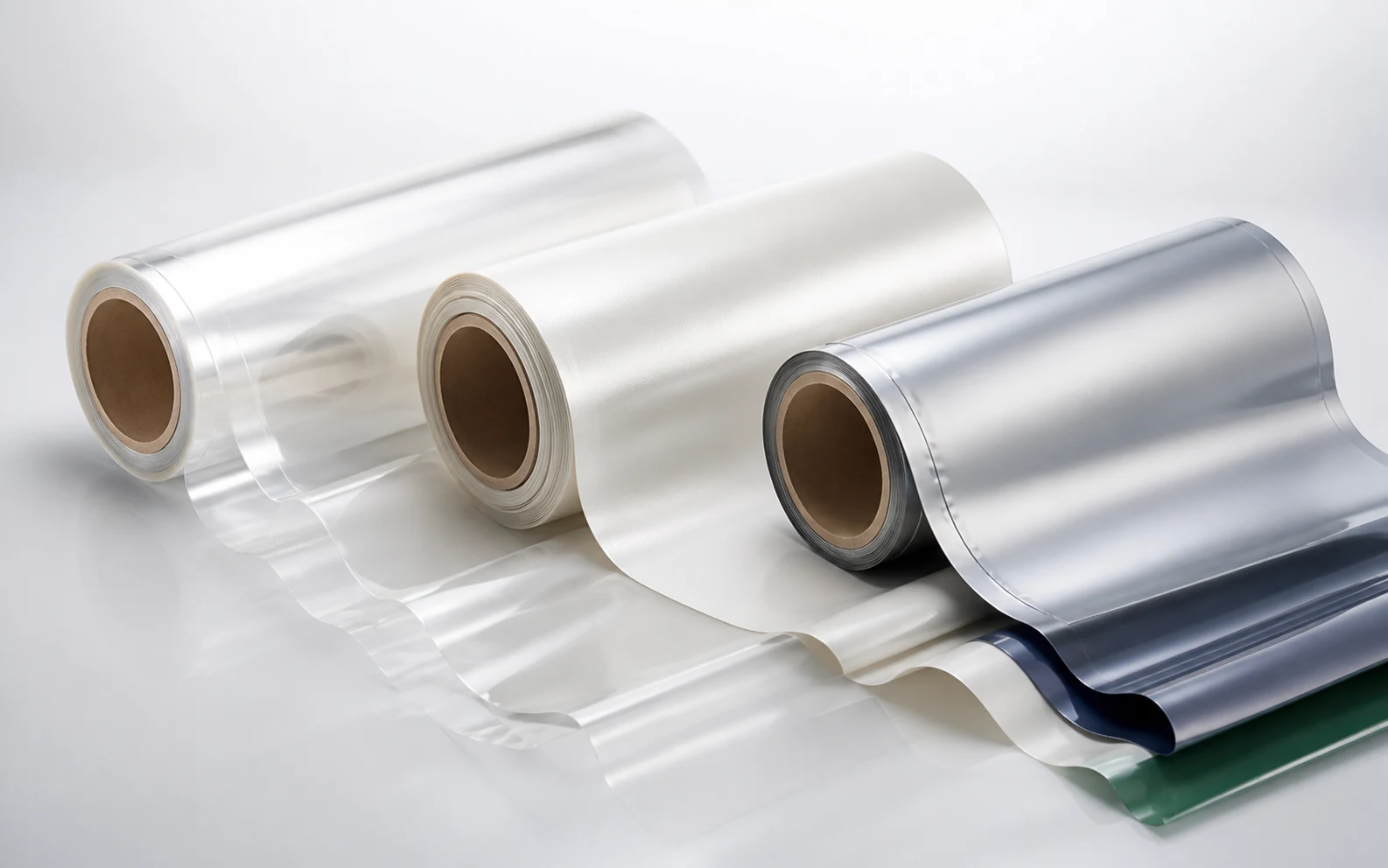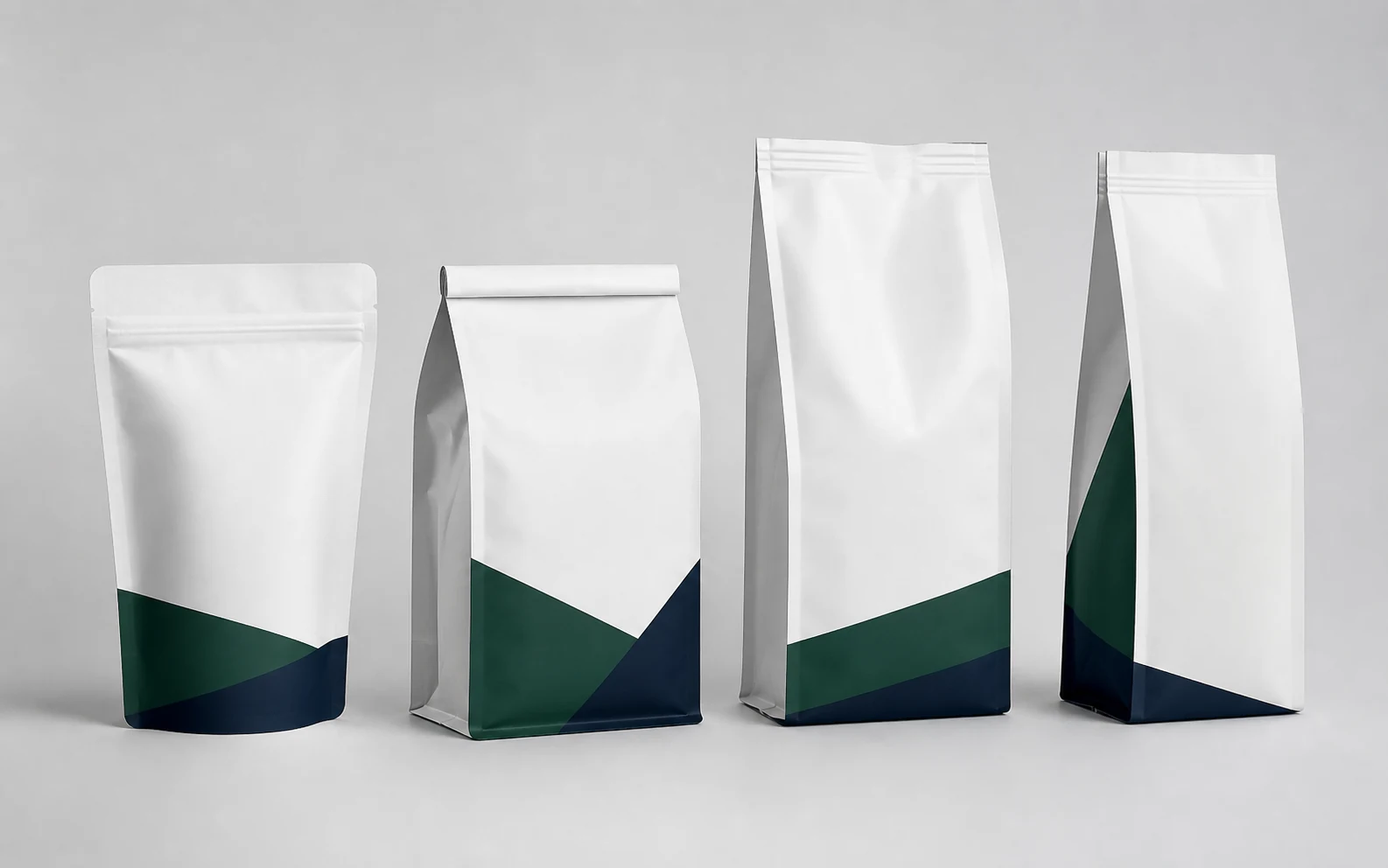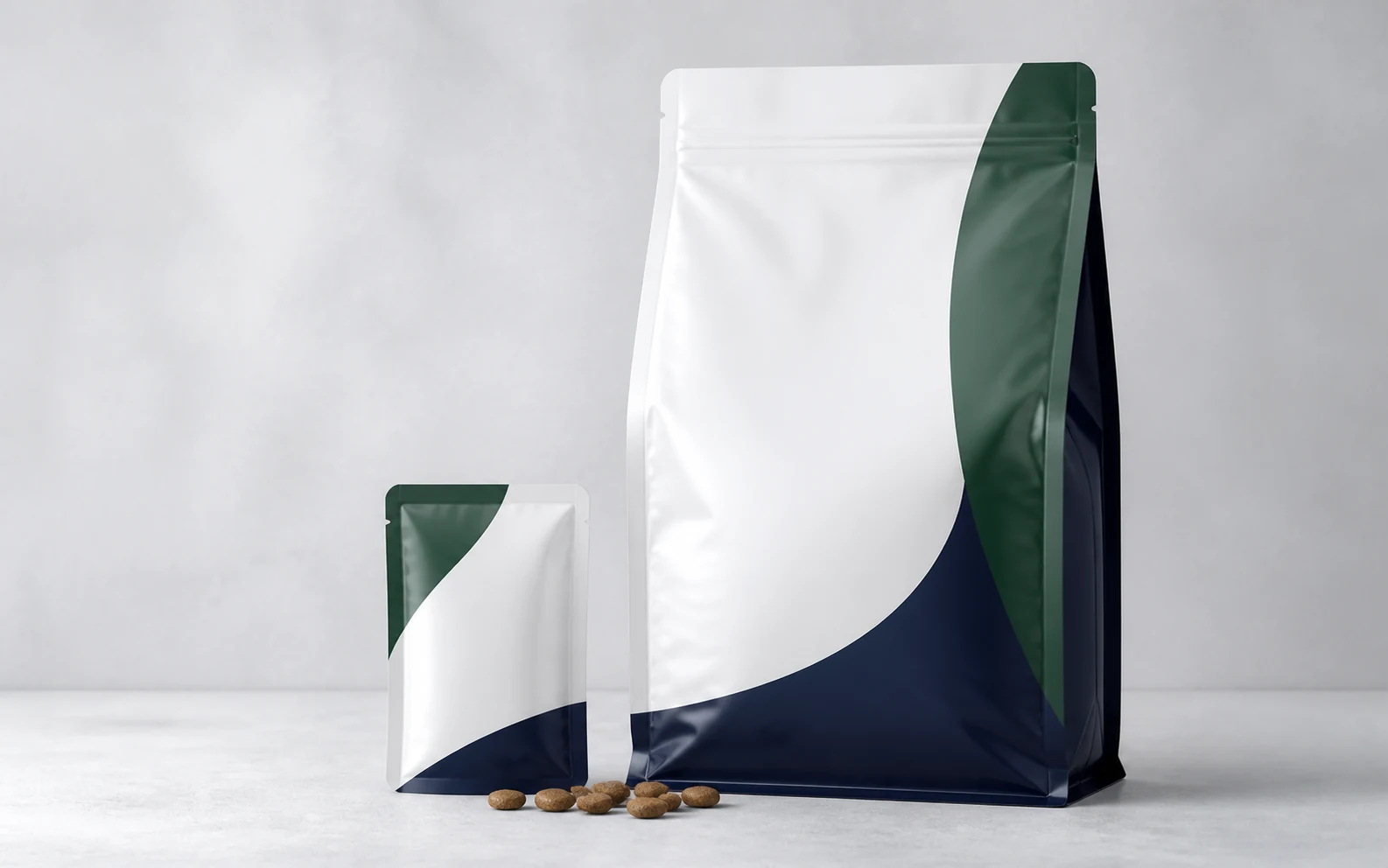
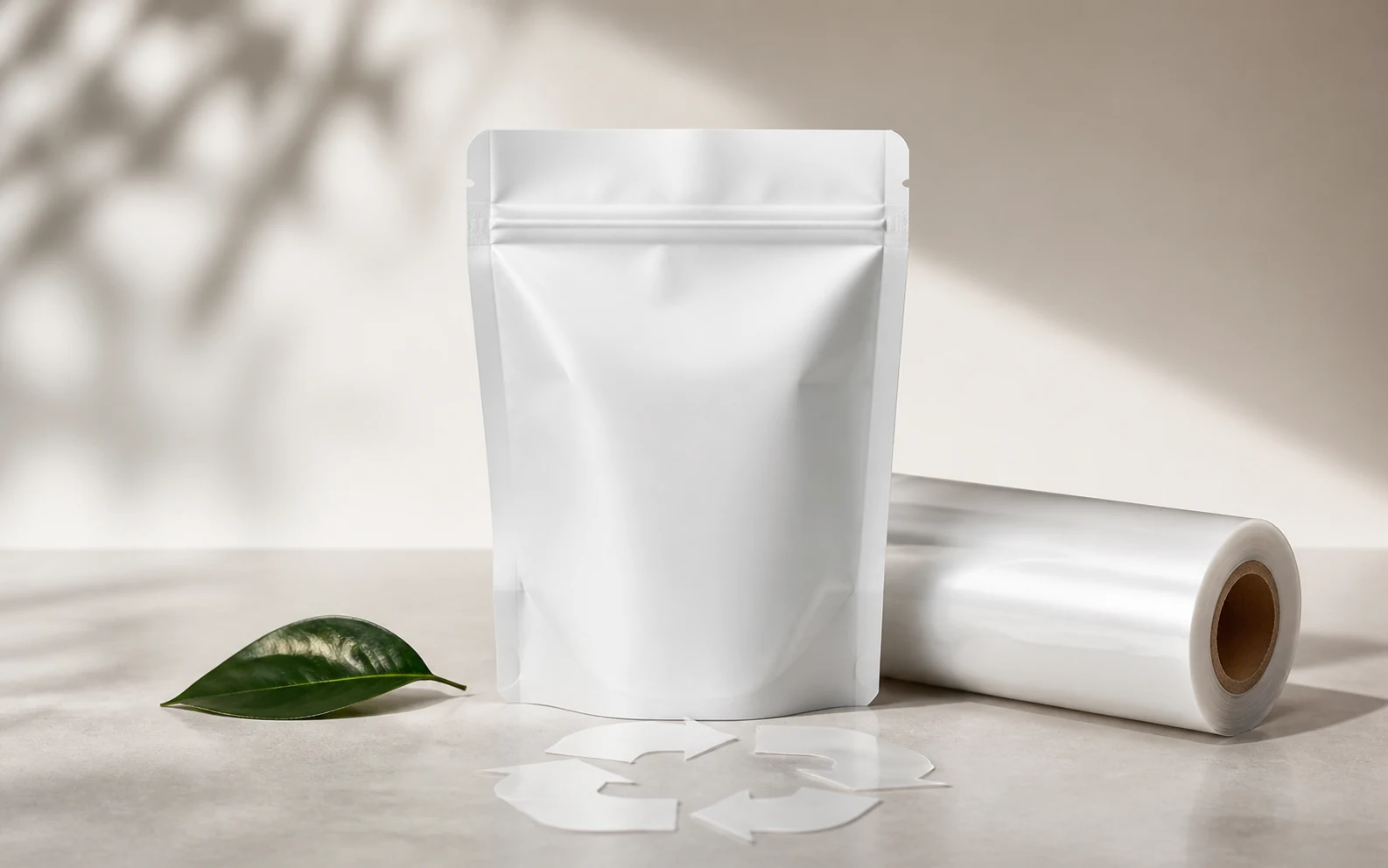
Sustainable packaging cannot be explained by one material label. Preventing product loss, reducing unnecessary material, lowering process waste and considering end-of-use infrastructure all belong in the same assessment.
Priority: protect the product as much as needed
Product loss caused by insufficient barrier or weak seals can outweigh a small packaging reduction. The first objective is therefore to secure the true shelf-life and distribution requirements.
Unnecessarily high performance can also add material and cost. Measurable barrier and mechanical targets are the start of a balanced design.
Material and process efficiency
Gauge optimisation, right-sizing, reduced print waste and more stable filling-line performance can improve total resource use.
Structures closer to a mono-material approach may support some collection and recycling scenarios, but barrier, sealing and local infrastructure compatibility still require confirmation.
Make claims clear and supportable
Statements about recyclability, recycled content or material reduction should match the actual structure, market and relevant validation method. Avoid broad, unmeasured environmental claims.
A strong project documents the baseline, the alternative and the measurable change while protecting product performance through testing.
Key takeaways
Where Should Sustainable Packaging Design Begin?
- Keep prevention of product loss at the centre.
- Optimise gauge, pack size and process waste together.
- Limit environmental claims to the market and available evidence.