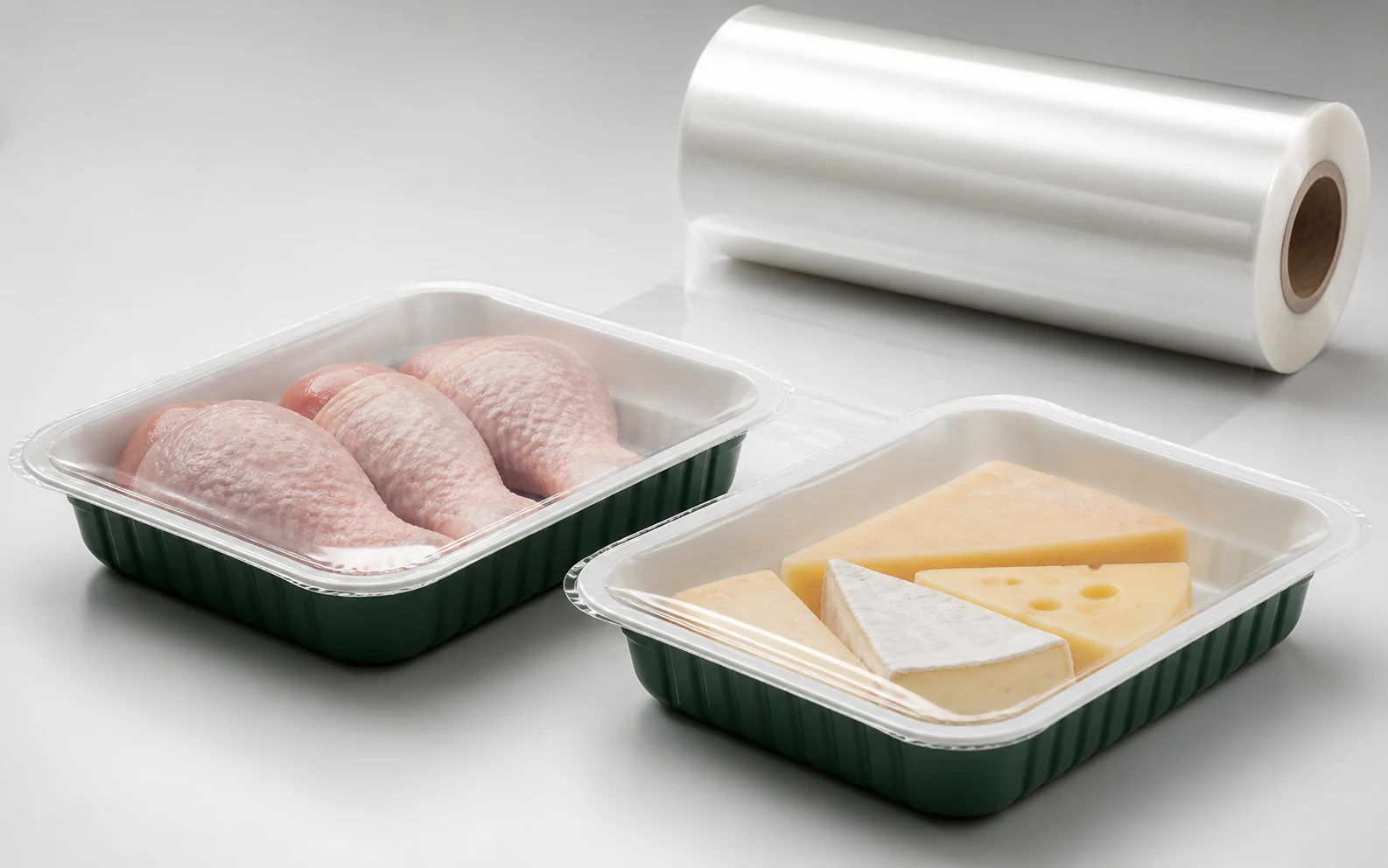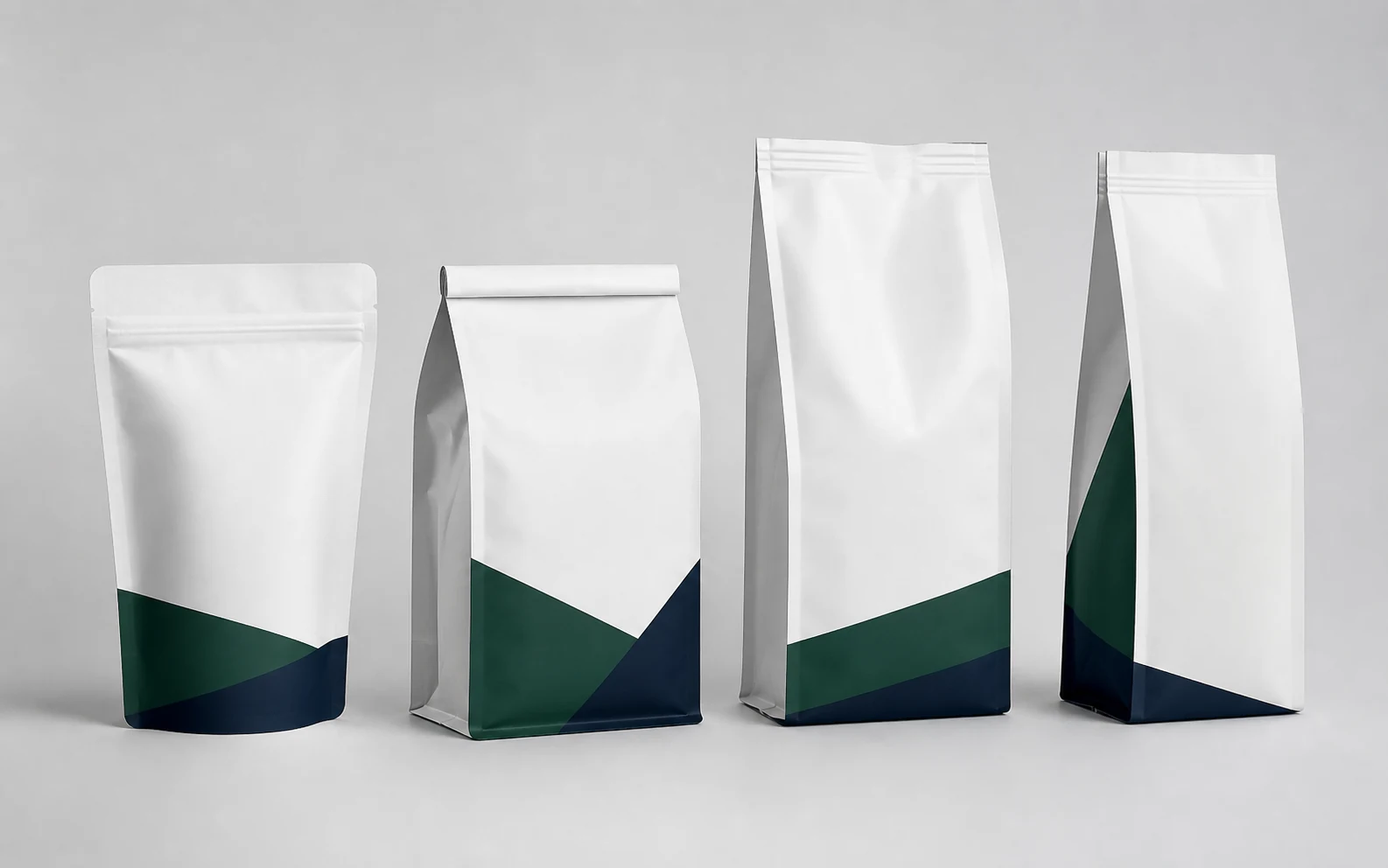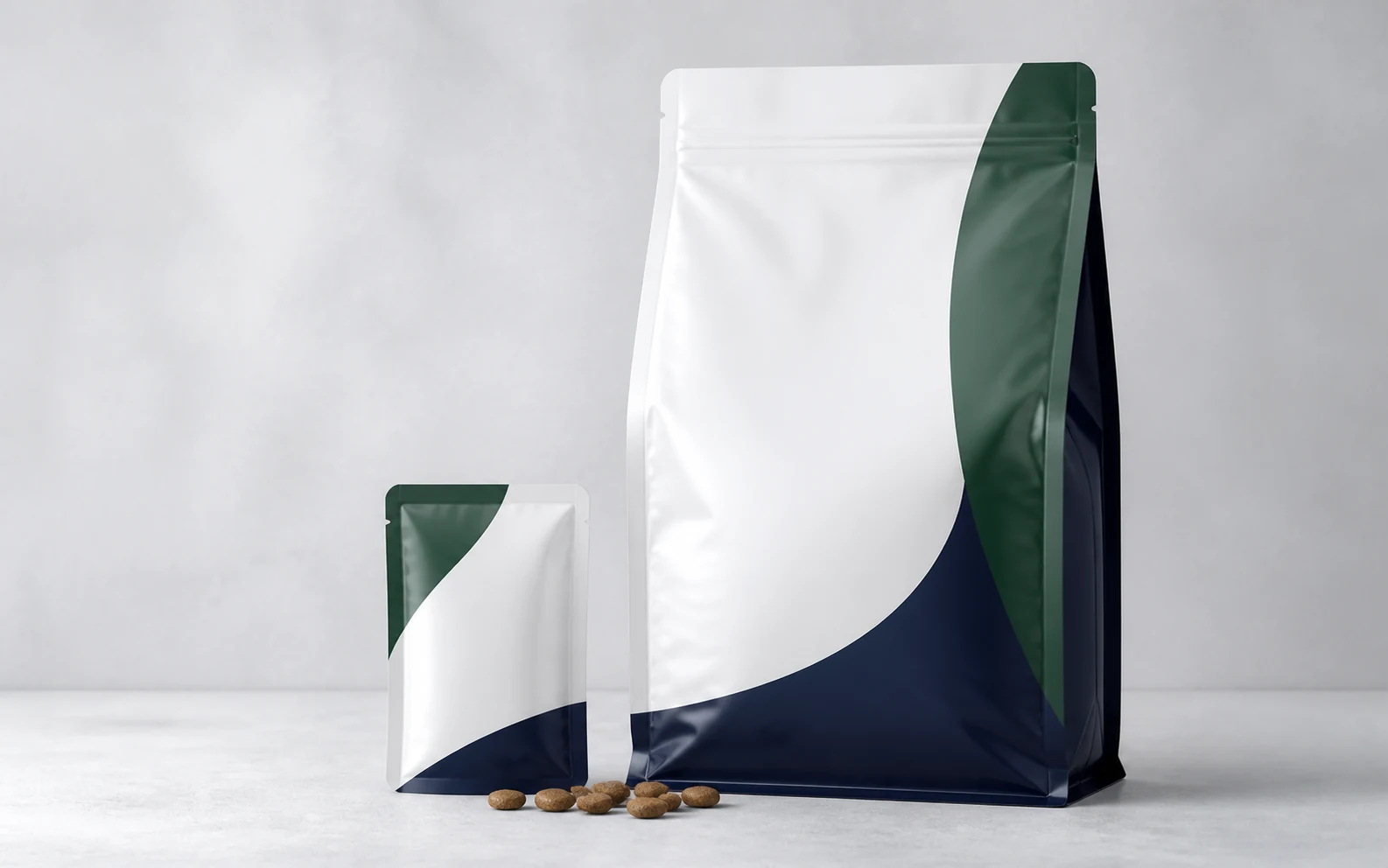
Barrier-film selection is not a search for the highest possible protection. The right structure balances sensitivity to oxygen, moisture, light and aroma with filling conditions, packing equipment and the intended shelf life.
Define the product and its risks first
Aroma loss and oxygen may lead for roasted coffee, oxidation for nuts, moisture for powders, and seal integrity for sauces or liquids. Even when the pack format stays the same, a different protection priority changes the film structure.
Shelf-life target, storage temperature, distribution time and use after opening belong in the technical brief. Selecting a structure from the product name alone can create unnecessary cost or insufficient performance.
Consider how the layers work together
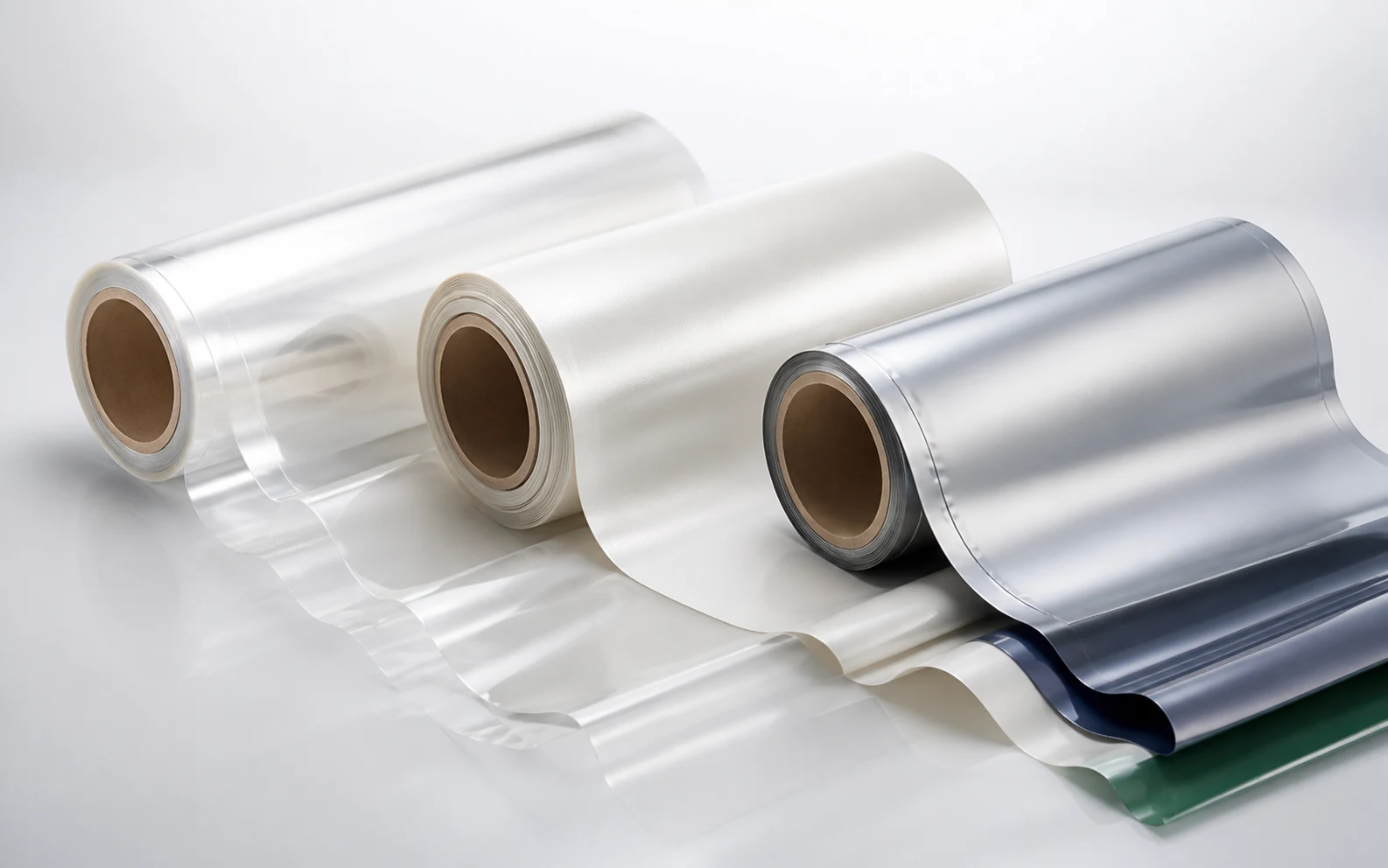
PE layers are commonly evaluated for sealing and moisture resistance; PA for toughness and puncture resistance; EVOH for oxygen barrier; and PET for print surface, stiffness and heat resistance. Metallised films or aluminium foil become relevant when higher light and gas protection is required.
Every layer in a laminate should have a defined purpose. More layers do not automatically mean a better package; the goal is to deliver the necessary performance with suitable thickness and stable processing.
Include machine trials and validation
Film friction, stiffness, curl and sealing window directly affect packing speed. Share the filling-line type, jaw design, pack dimensions and expected cycle rate before the structure is selected.
The final decision should be confirmed through sample production, seal-integrity checks and, when required, shelf-life testing. The EmbePack technical team compares alternative structures using both product and line data.
Key takeaways
How to Select the Right Barrier Film
- Derive the barrier target from product sensitivity.
- Give every layer a measurable purpose.
- Validate the choice on the actual filling line and with the real product.