Pet-food packs can face heavy loads, fatty contents, sharp pieces and long distribution chains. A well-designed structure protects the product and keeps its form through transport and use.
Protection targets by product type
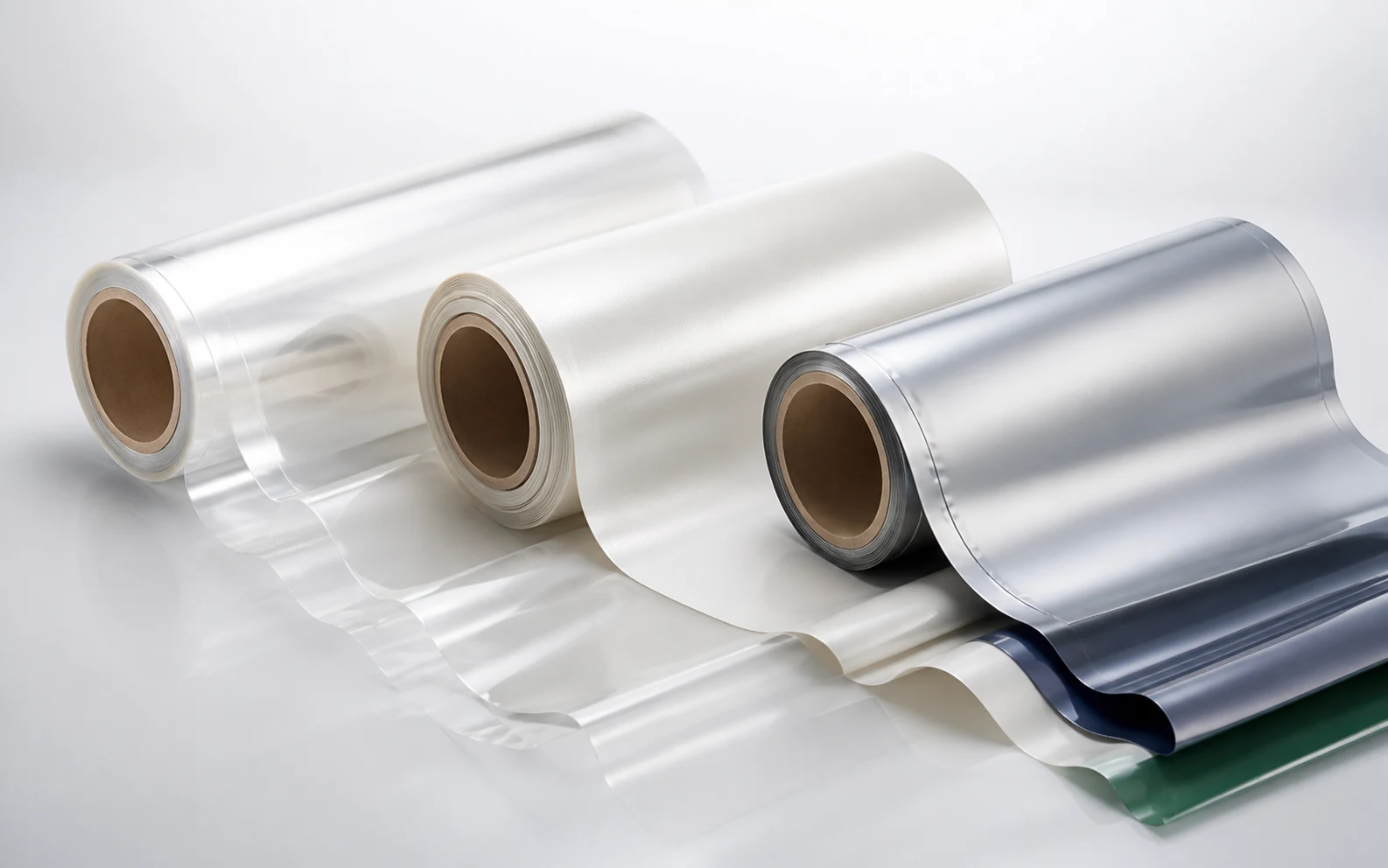
Oxidation, moisture transfer and aroma loss may lead for dry food; seal integrity, thermal processing conditions and puncture resistance are central for wet products. Cat litter and treats bring their own dust, odour or sharp-edge risks.
Fat content, target shelf life, pack weight and storage temperature are essential inputs for material selection.
Mechanical performance in heavy packs
Drop impact, compression and pallet loads stress the seal areas and handles of larger bags. Gauge alone is not enough; layer combination, seal width and pouch geometry must be designed together.
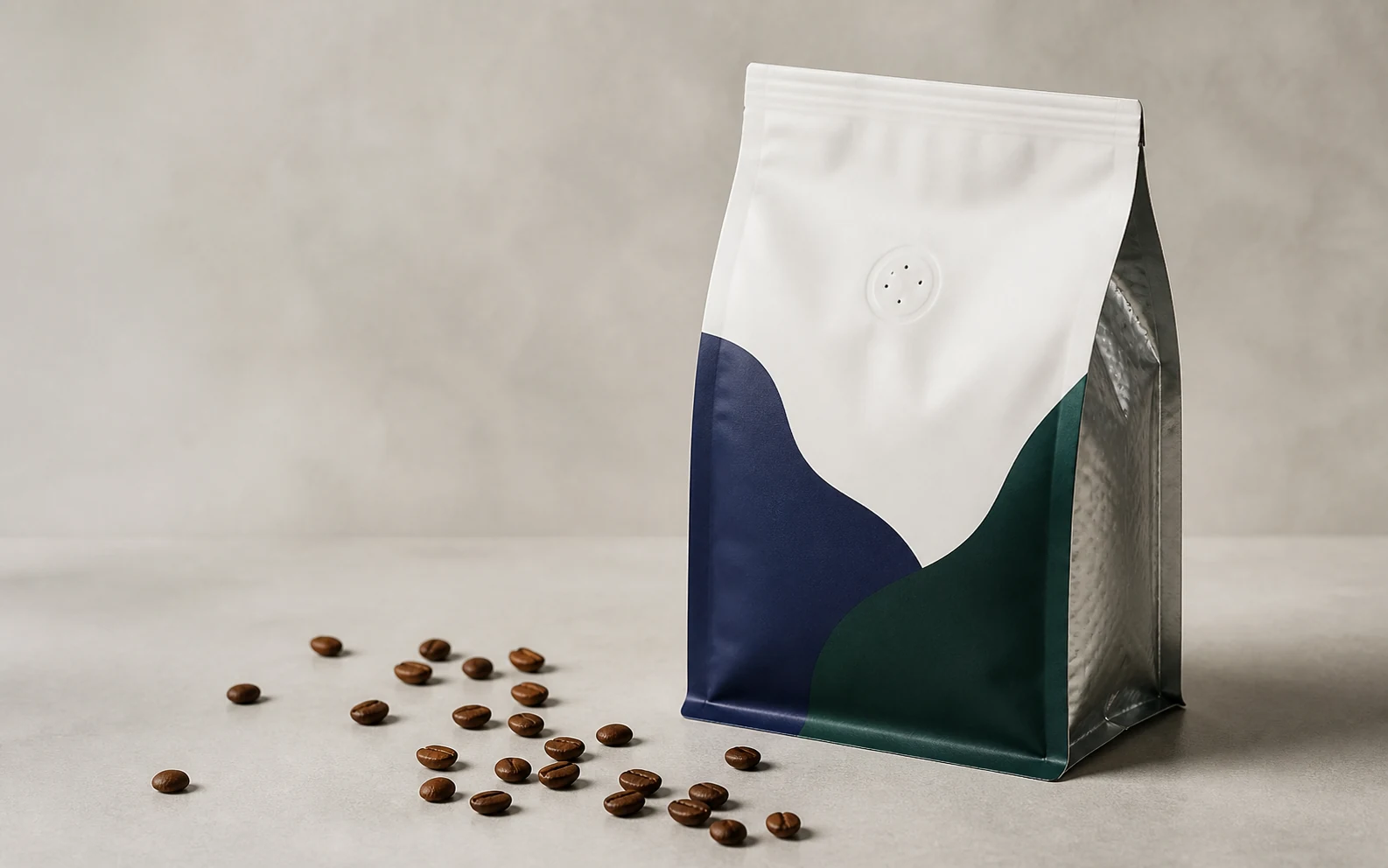
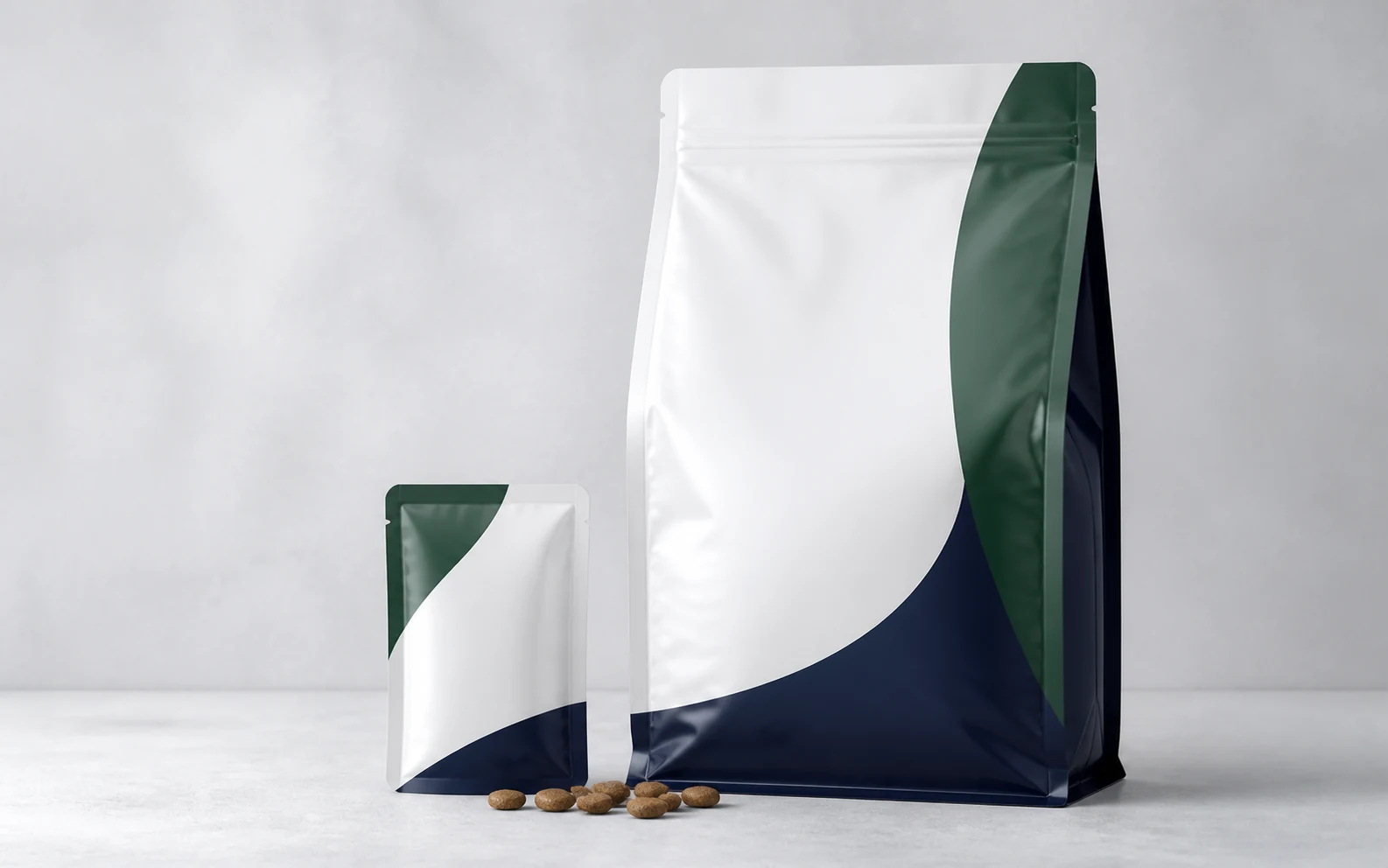
Flat-bottom or quad-seal formats can stabilise bulky products, while smaller stand-up pouches can add reclosable convenience for treats.
Convenience and print communication
Zippers, easy-open notches, carry handles and controlled pouring improve the user experience. Print design should distinguish variants quickly while keeping required information readable.
Samples should be filled with the actual product and checked through sealing, drop, transport and use scenarios.
Key takeaways
Durability and Freshness in Pet-food Packaging
- Evaluate dry food, wet food and litter separately.
- Test sealing and transport together for heavy packs.
- Choose reclosure and carrying functions from real user scenarios.