Roasted coffee continues to change after it is packed. Oxygen and moisture weaken aroma, while freshly roasted beans can release carbon dioxide and create pressure inside the pack.
Coffee form defines the barrier target
Whole bean, ground coffee and single portions have different surface areas and consumption rates. Ground coffee contacts oxygen faster, making structure and pack size particularly important.
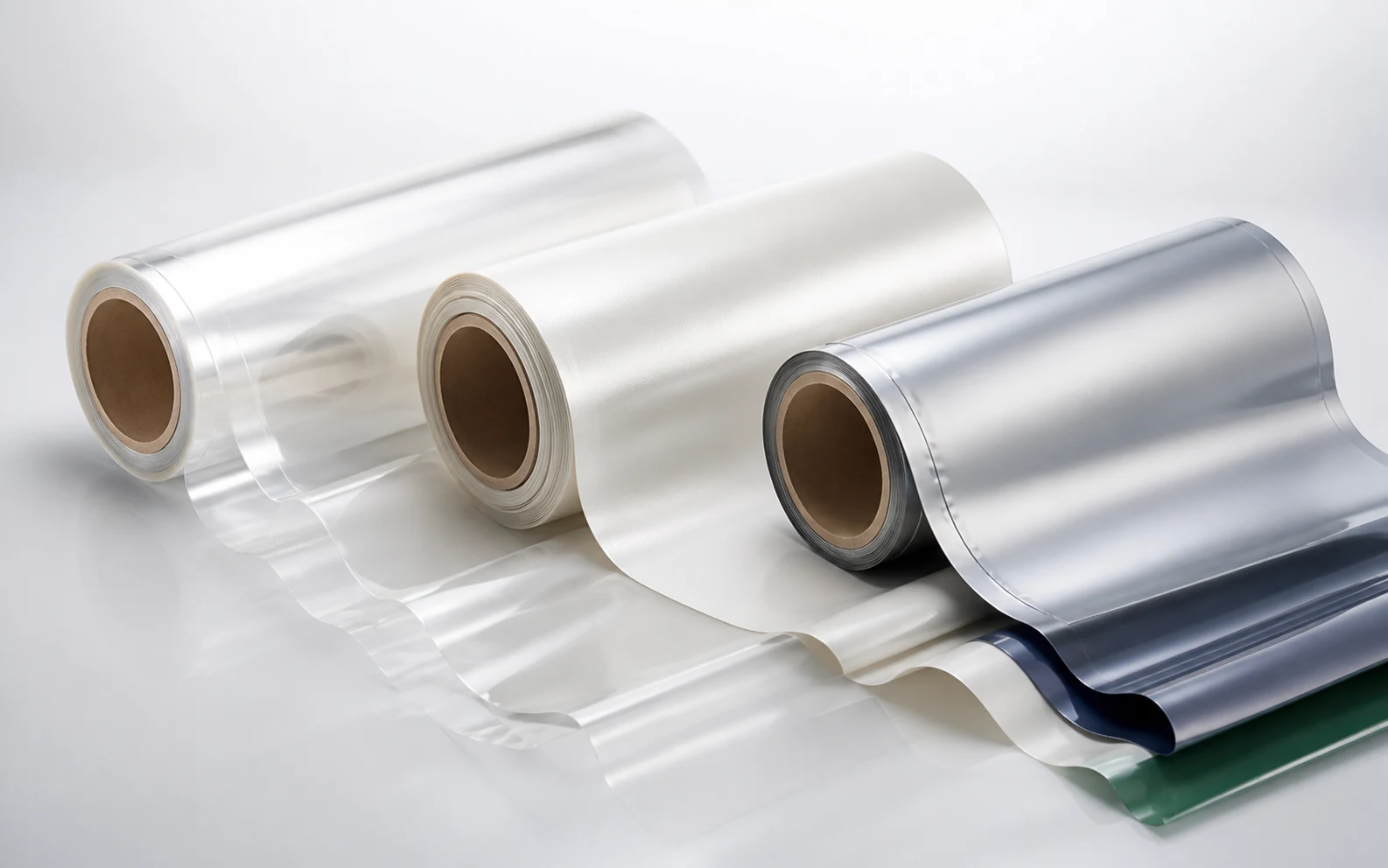
Light protection may be considered alongside oxygen and moisture barrier. Metallised or foil-containing alternatives can be compared against product and shelf-life targets.
Valve and seal integrity
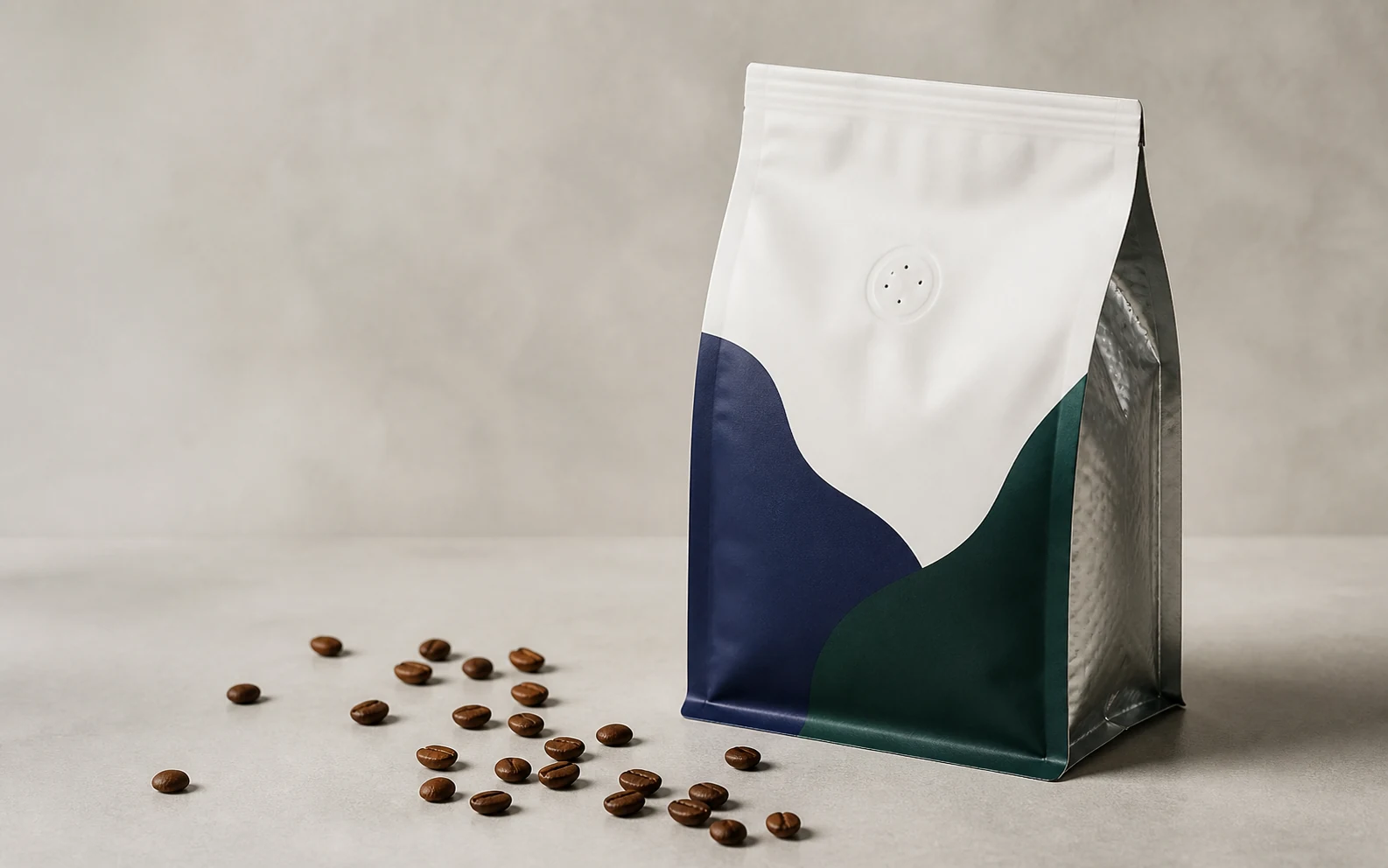
A one-way valve helps release post-roast gases while limiting air entry. Valve type, position and application quality are all part of package performance.
A high-barrier film cannot compensate for a weak seal. Coffee dust in the sealing area, filling temperature and machine settings should be controlled during trials.
Format and use scenario
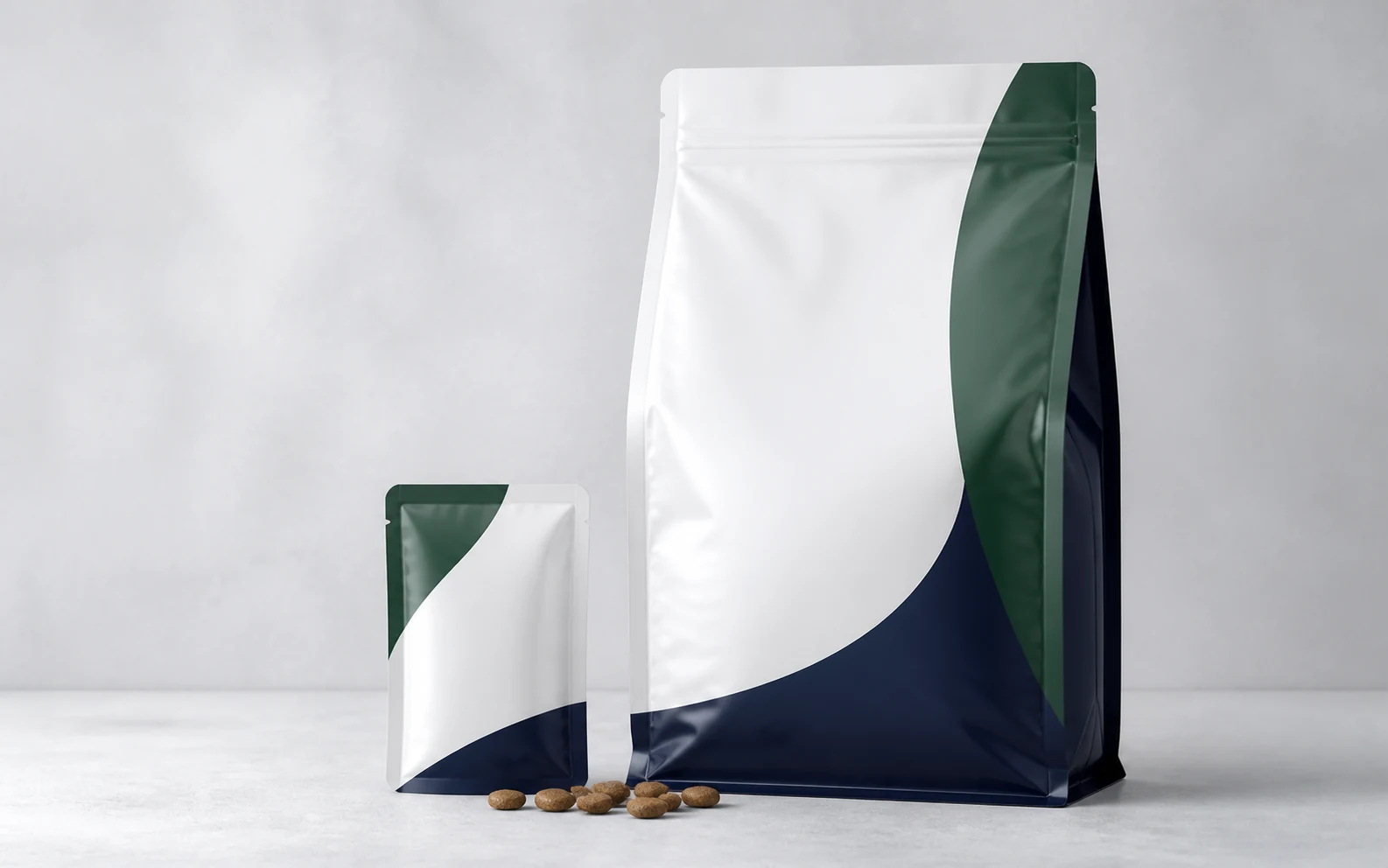
Flat-bottom and quad-seal bags provide defined communication panels, while a stand-up pouch adapts to a wider range of fill weights. A zipper supports use after opening when consumption takes longer.
The final solution should be confirmed with real coffee through filling, valve, seal-integrity and shelf-life checks.
Key takeaways
A Packaging Structure That Protects Coffee Aroma
- Evaluate coffee form and consumption time together.
- Treat the valve as an integrated part of the structure.
- Validate the seal area under real filling conditions.