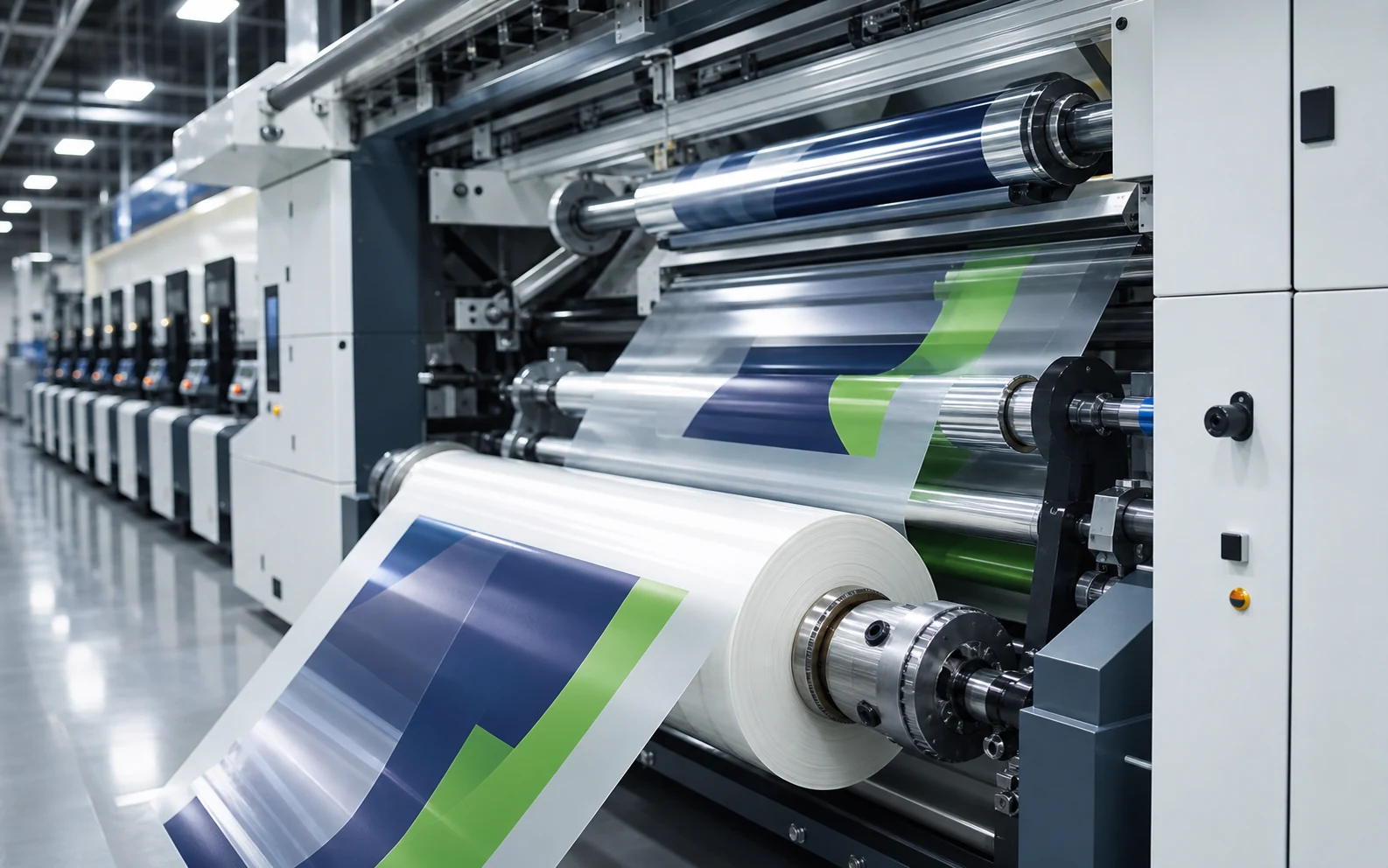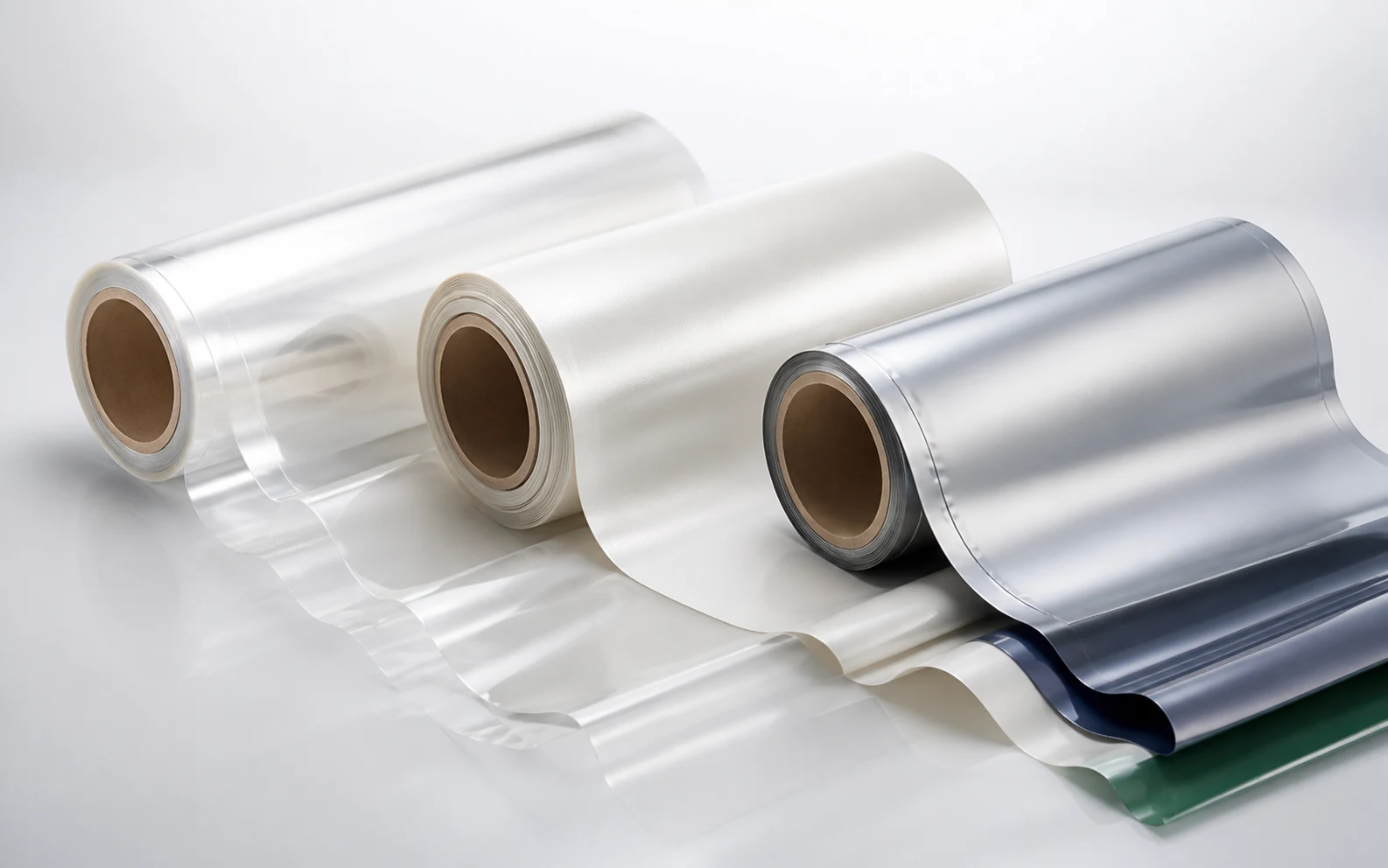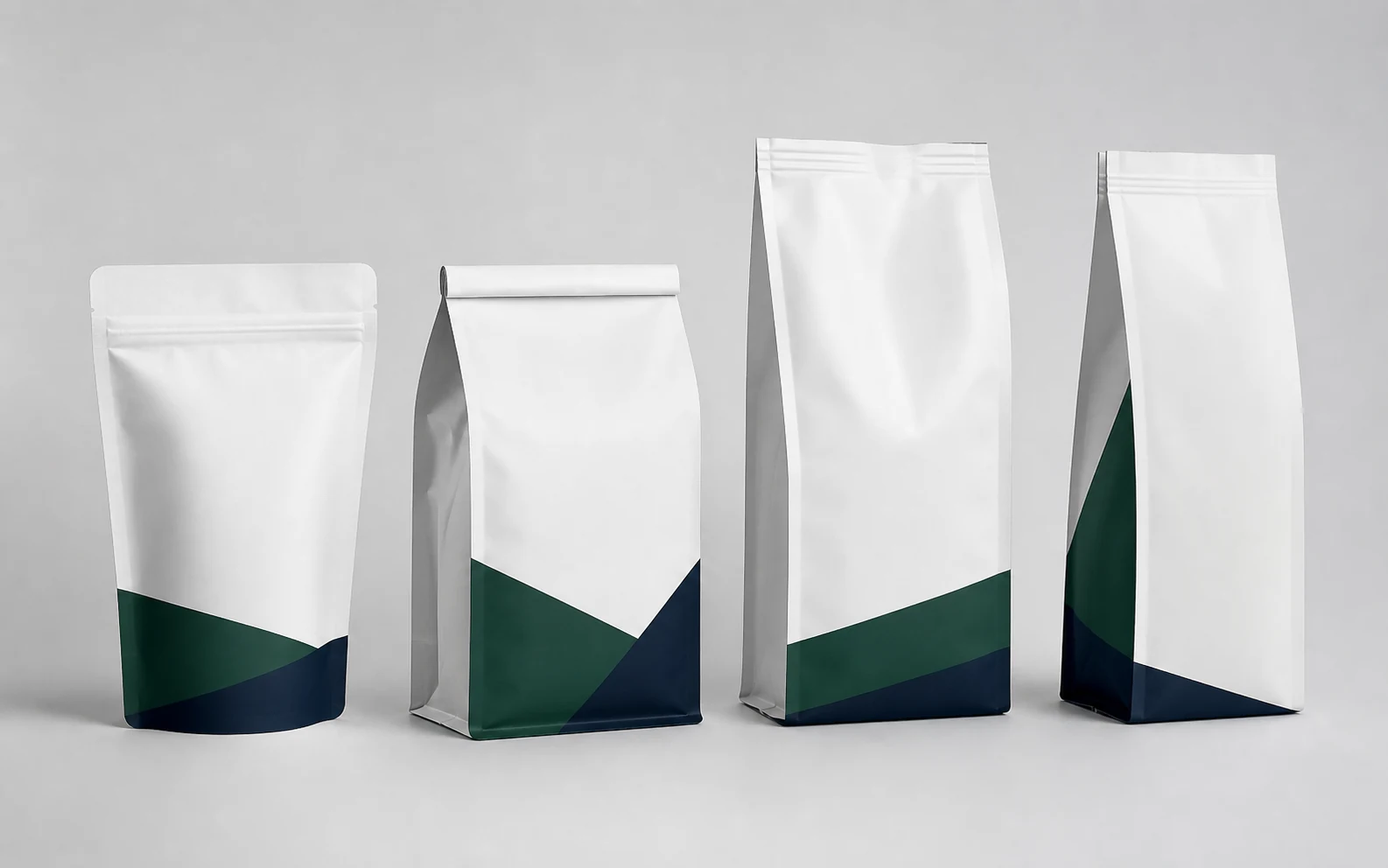
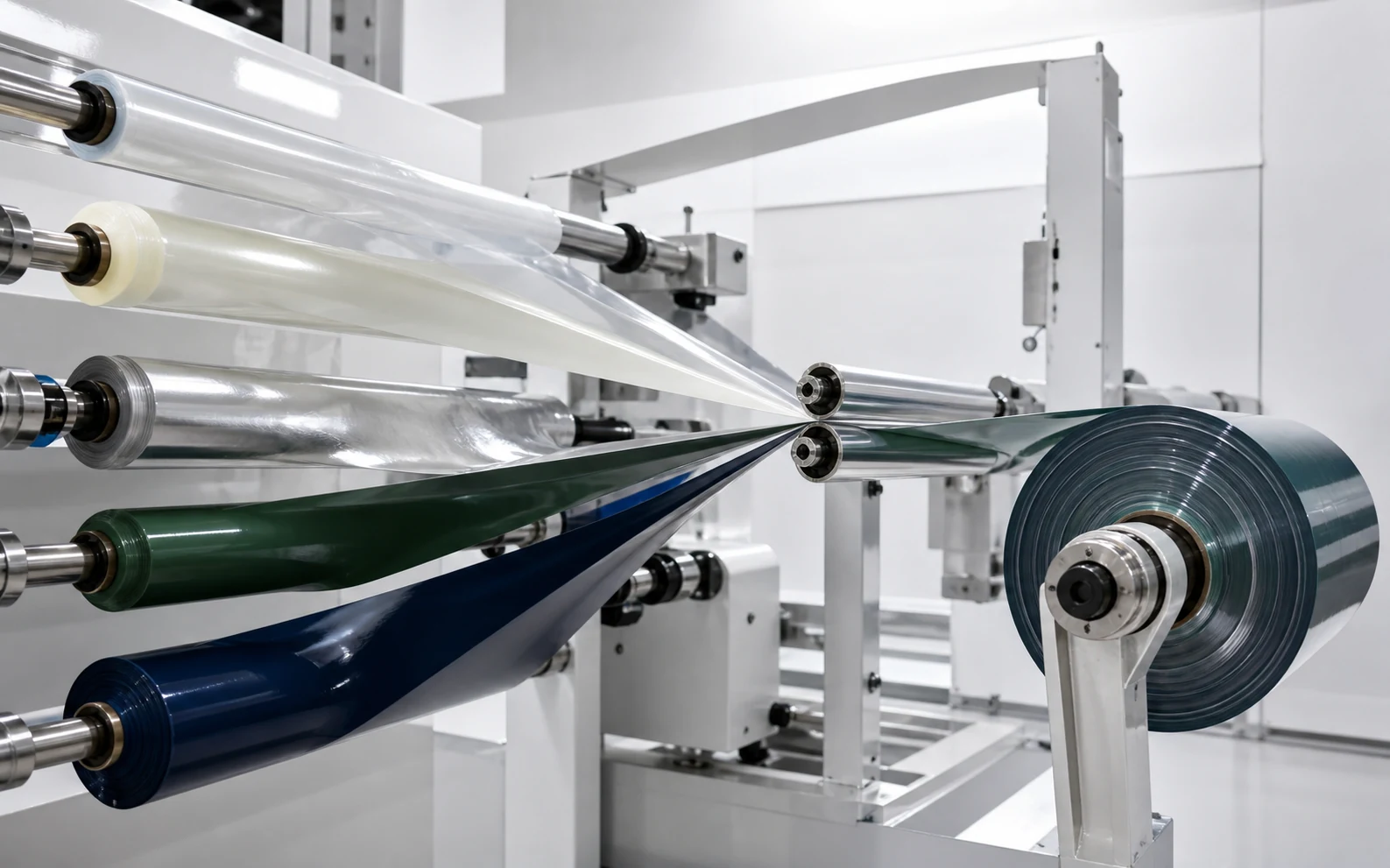
Lamination combines the strengths of different films in a single structure. The purpose is not simply to add layers, but to distribute print, barrier, mechanical and sealing functions in a controlled way.
Roles of outer, middle and inner layers
The outer layer can provide a print surface, heat resistance and visual impact. A middle layer may strengthen oxygen, moisture or light barrier, while the inner layer handles product contact and sealing.
PET, BOPP, PA, PE, CPP, EVOH and metallised alternatives are combined differently for each target. Total structure performance matters more than a material name.
Controlling lamination quality
Bond strength, cure time, coating weight and web tension affect how the layers work together. Unsuitable conditions can cause delamination, curl or odour concerns.
The production plan should include post-lamination waiting time and the following slitting or pouch-making stages.
Use only the structure required
A more complex structure is valuable only when it answers a measurable need. Shelf life, drop and puncture resistance, hot fill or high-speed machinability should guide the layer decision.
Compare alternatives by total gauge, processability and sealing window, then validate the final structure through application testing.
Key takeaways
What Does Multilayer Lamination Add to Packaging?
- Assign a clear performance function to every layer.
- Include curing and winding conditions in the production plan.
- Optimise validated total performance, not layer count.